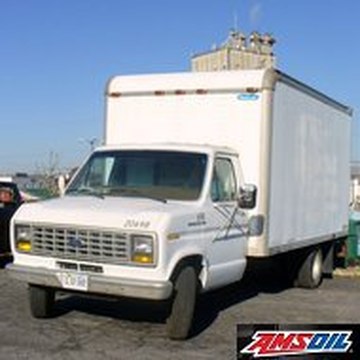
Lubrication Maintenance for the 1981 Ford Trucks E350 VAN 6.6L
Maintaining a large-displacement engine requires consistent attention to lubrication quality and system integrity. For owners of a 1981 Ford Trucks E350 VAN equipped with the 6.6L engine, routine service is the most effective way to manage the mechanical health of the vehicle. Because these vehicles are often utilized for heavy tasks or long-distance travel, understanding how to monitor and maintain the engine's oiling requirements is essential for long-term operation.
Monitoring Fluid Condition and Potential Leaks
A primary aspect of routine maintenance involves regular visual inspections of the engine bay. For an older vehicle, checking for signs of fluid seepage is a practical way to identify potential issues before they escalate. When performing these checks, look for any wetness or residue around various sealing surfaces and gaskets. If you notice fresh oil accumulating on the underside of components or dripping onto the ground after the vehicle has been parked, it warrants further investigation.
It is important to note that a single symptom, such as an oil spot on the driveway, can be associated with several different sources. Rather than assuming a specific component has failed, use these observations as a prompt to inspect the surrounding area more closely. Additionally, keep an eye on the appearance of the oil itself during routine checks. If the lubricant appears excessively dark, gritty, or shows signs of unusual contamination, it may indicate that the service interval should be addressed or that there is an underlying issue with the engine's internal environment.
Managing Aging Components and Materials
As vehicles age, the materials used in various systems can undergo changes due to heat cycles and time. For a 1981 model, it is sensible to adopt a condition-based approach to maintenance rather than relying solely on the age of the vehicle. This means inspecting components based on their actual physical state.
If equipped, inspect accessible drive belts for signs of deterioration such as cracking, glazing, or fraying. Similarly, if the vehicle is present with various rubber hoses, check them for softness, swelling, or hard spots that might indicate they are losing their structural integrity. Electrical connections and wiring harnesses should also be examined for any signs of brittleness or corrosion, which can affect overall system reliability. By focusing on these physical indicators, an owner can prioritize repairs that are actually necessary based on the current state of the vehicle.
Establishing a Maintenance Baseline
For many owners of classic or older trucks, the complete service history may not always be readily available. In such cases, establishing a maintenance baseline is a highly effective strategy. This involves performing a thorough inspection of all fluids and major mechanical components to determine their current condition. Once you have documented the state of the oil, filters, and other vital systems, you can begin to track changes over time.
Keeping detailed records of every service performed—including the date, mileage, and specific products used—is invaluable. These records allow you to distinguish between normal aging and sudden changes in performance or consumption. If you notice that the engine requires more frequent oil top-offs than it did six months ago, your documentation will help you determine if this is a new development that requires professional diagnosis.
Practical Inspection of Engine Accessories
Beyond the oil itself, the systems that support engine operation deserve regular attention. If the 6.6L engine is equipped with various belts or cooling-system components, these should be part of your routine check. For example, if a cooling system is present, inspecting hoses for leaks or signs of overheating can prevent more significant mechanical issues. Similarly, ensuring that air filtration systems are clean and free of debris helps maintain the proper environment for combustion.
When conducting these inspections, it is helpful to look for evidence of previous maintenance neglect. This might include old, heavily degraded parts that were never replaced or signs of "quick fixes" that may not be durable. Addressing these items early can help transition the vehicle into a more predictable and stable maintenance cycle.
Prioritizing Service Tasks
Effective maintenance is often about deciding what to address first. Rather than attempting to replace every aging part at once, focus on active concerns. If you observe an active leak or notice a warning indicator, these should take precedence over general preventive tasks. Monitoring changes in how the engine behaves—such as unusual noises or changes in how it handles under load—can also provide clues about where your maintenance efforts will be most effective.
Distinguishing between necessary repairs and unnecessary parts replacement is key to efficient ownership. A part that looks old but is functioning perfectly may not require immediate replacement, whereas a part showing active signs of wear should be addressed promptly. This disciplined approach ensures that resources are directed toward the areas that most impact the vehicle's operational readiness.
Buying Engine Oil for your 1981 Ford Trucks E350 VAN 6.6L
When it is time to replenish or change the lubricant in your engine, accuracy in selection is vital. You should always match the engine oil to the application-specific viscosity information already displayed on this webpage. Avoid making assumptions about which grade of oil is best based solely on the age of the vehicle or general automotive trends.
Before completing your purchase, carefully check the product labeling to ensure it meets the necessary quality standards for your specific engine. Depending on your maintenance goals and the current condition of your engine, you may choose between conventional, synthetic blend, or full synthetic formulations. Some high-mileage oil formulations also contain additives intended for use in aging engines, including seal-conditioning additives. Always verify that the product you select aligns with the technical details provided in the application information above to ensure the best possible protection for your 6.6L engine.